Silent Hill Rom
Published
- Console
- PSX (PS1)
- Size
- 320 MB
- Format
- bin
- Region
- USA
- Released
- 1999 PlayStation)
- Publishers
- Konami Co.
- Genre
- Action
- ESRB Rating
- Mature
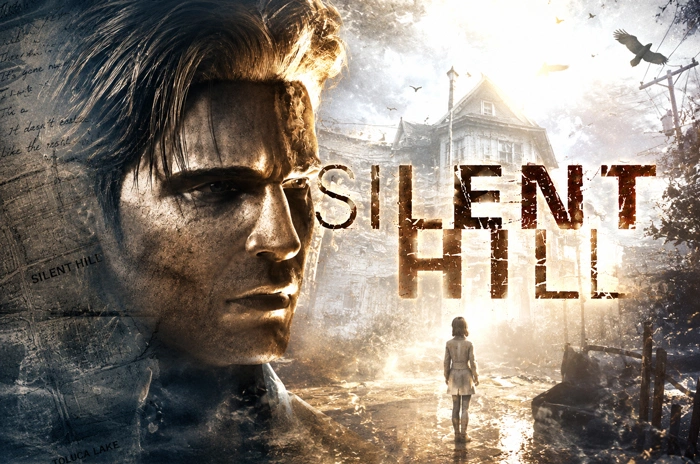
Harry Mason wakes behind the wheel of a wrecked Jeep. The passenger seat is empty, his daughter Cheryl is gone, and snow is falling across a resort town at the wrong time of year. Silent Hill begins without giving Harry much time to understand any of it. This Silent Hill ROM is the English USA PlayStation release of Konami’s original 1999 game, identified by the serial SLUS-00707.
Cheryl Is Always One Street Ahead
Harry soon spots a small figure moving through the fog and follows her into an alley. The route grows tighter, daylight disappears, and chain-link fences replace the walls around him. By the time a siren begins to sound, the alley no longer resembles the place he entered. Those opening minutes establish one of the game’s central ideas: even a familiar route may change before Harry can use it again.
Once he leaves the cafe, Silent Hill opens into several streets instead of pointing toward a single objective. The map does not draw a convenient path to Cheryl. Roads collapse at the edges, gates refuse to open, and a destination only a block away may require a long detour through another part of town.
Midwich Elementary School turns that search into a maze of classrooms, stairways and locked doors. Harry may pass through the same hallway several times before finding the object needed in a nearby room. Alchemilla Hospital becomes harder to read once its layout begins changing. Checking the map is useful, but it cannot explain what has happened to the building.
Puzzles belong to the places in which Harry finds them. At the school, a piano with bloodstained keys is connected to a written riddle. Other doors depend on objects whose purpose is not obvious when they first enter the inventory. Documents cannot be dismissed as background decoration; a short passage found earlier may contain the clue needed several rooms later.
The pocket radio Harry collects does not play music. It produces static whenever a creature is close. On the street, that noise may begin while the fog still hides everything ahead. Inside a building, the camera might be facing one doorway while the threat is approaching from somewhere else. The radio warns Harry, but it never tells him what to expect.
His flashlight is just as limited. Its beam reaches far enough to inspect the immediate area, yet most of a dark room remains unseen. Turning it off can make Harry less noticeable to certain creatures, though doors and useful items then become difficult to spot. Darkness is not simply part of the scenery; it affects how each room is searched.
Harry Is Never Comfortable in a Fight
Harry handles a weapon like someone who never expected to need one. His aim is uncertain, running leaves him breathless, and a poorly timed melee attack puts him within reach of the creature in front of him. The movement can feel heavy beside a conventional action game, but Harry is a frightened father rather than a trained fighter.
A creature wandering through an open street does not always need to be killed. There is usually enough room to run past and preserve ammunition for the buildings ahead. Corridors change the situation. Harry may have little space to turn, and a missed swing with a pipe or hammer leaves him exposed.
Firearms create distance, although ammunition should not be wasted on every sound coming through the radio. Melee weapons preserve bullets but require a better sense of timing. Even after stronger equipment appears, the game never makes Harry feel completely in control of a room.
The camera adds to that uncertainty. It may follow Harry from behind, watch from the end of a hallway or shift position while he walks through an open space. Since the environments are rendered in real time, the view can move through a scene instead of remaining attached to one static background. Sometimes it reveals the route ahead. Elsewhere, the important part of the room sits just outside the frame.
Silent Hill also refuses to leave its locations in one condition. A siren can strip away the foggy version of a building and replace it with rusted walls, metal grating and darkness. A classroom visited earlier may return with another route through it. The building remains recognizable, but the knowledge gained during the first visit is no longer enough.
Sound becomes especially important during these changes. Radio interference or a distant metallic impact can fill a corridor where nothing is visible. Long stretches pass without music, so the smallest interruption is difficult to ignore. The game does not need to place a creature in every room to make entering one uncomfortable.
Several events away from the direct route to Cheryl can alter the ending. They are not presented as a final menu choice or announced as major decisions. Harry may leave an optional building without realizing that something inside could affect what happens later.
A second playthrough changes the way those moments are approached. The known route through the school takes less time, leaving more room to investigate buildings that were previously skipped. Following those side events can lead to different endings, including a hidden joke outcome far removed from the tone of the main story.
The SLUS-00707 PlayStation Release
SLUS-00707 belongs to the North American release of Silent Hill for the original PlayStation. It includes English dialogue and text and is listed at 298.9MB on HexRom. The serial distinguishes it from regional editions such as the European SLES-01514 release. It also confirms that this is the original PS1 title rather than the later Shattered Memories reinterpretation.
A compatible PS1 emulator can load this release on a computer or Android phone. The controls were designed around the original PlayStation pad, so the aim and attack buttons often need to be held together during combat. Mapping them somewhere comfortable is worth doing before Harry enters the first indoor area.
The original picture uses a 4:3 aspect ratio. Stretching it across a widescreen display widens Harry and changes the shape of rooms unless a proper correction is active. Increasing the internal resolution can make the 3D geometry easier to read, but it will not replace the low-resolution textures or remove the deliberate roughness of the image.
Harry’s slow turns, wavering aim and short pause after running belong to the original design. They should not automatically be treated as an emulator problem. Brightness deserves similar restraint. Raising it until the far side of every room becomes visible may make navigation easier, but it also removes much of the tension created by the flashlight after the sirens begin.