Limbo Rom
Published
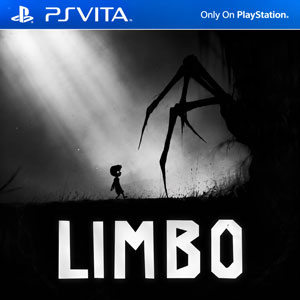
- Console
- PS Vita
- Size
- 128 MB
- Format
- .7z
- Region
- USA
- Released
- July 21, 2010
- Publishers
- Playdead ApS
- Genre
- Action
- ESRB Rating
- Teen
Limbo starts without ceremony. A boy opens his eyes in a dark forest, and the game simply leaves you there. No voice tells you where to go. No text explains why this place matters. You only know that the boy is moving through a black-and-white world, searching for his sister, while everything around him seems built to stop him. That quiet beginning says more than a long introduction could. Limbo is a puzzle platformer, but it does not feel like a normal one. It feels more like walking into a bad dream and slowly learning its rules by getting hurt.
A Small Boy Lost in a World That Never Explains Itself
The world feels dirty, cold, and half-awake
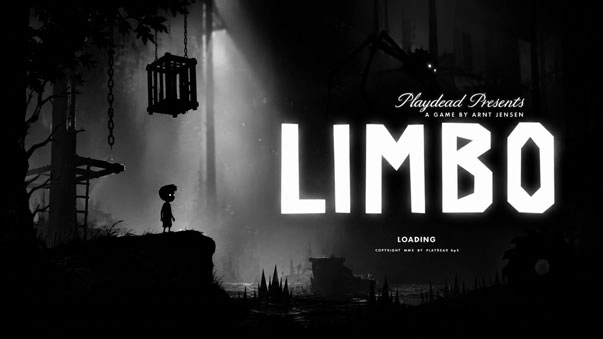
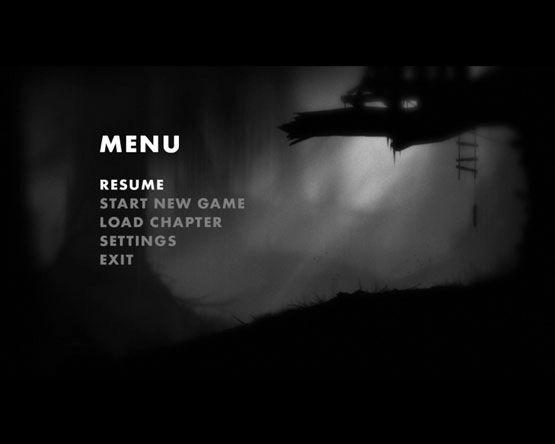
The look of Limbo is hard to separate from the way it plays. The screen is covered in fog, grain, and heavy shadows. Nothing looks clean. The forest feels wet and old. The city areas feel abandoned rather than destroyed. Later, the industrial spaces bring in metal, electricity, gravity tricks, and machines that move with a blunt, uncaring rhythm. The game never needs bright color because it has shape, contrast, and silence. A spider leg sliding into view is enough. A trap sitting in the grass is enough. Even an empty path can feel wrong.
Small controls make every mistake feel personal
The boy cannot do much. He can run, jump, climb, push, pull, and grab. His jump is weak, his body is fragile, and water kills him almost instantly. That limited movement makes the game feel tense in a very physical way. You are not controlling a hero. You are guiding a child through places where one bad step is usually fatal.
Most puzzles in Limbo come from reading the space properly. A box is not just a box. A rope is not only a rope. A corpse might become a bridge, which is exactly the kind of unpleasant detail the game throws at you without comment. It rarely pauses to underline its horror. It lets the moment sit there, quiet and uncomfortable.
The fear is worse because it stays calm
Limbo does have monsters, traps, and sudden deaths, but its strongest moments are not loud. The game is better when it lets dread build slowly. Other children appear only briefly, yet their traps and behavior make the world feel even more hostile. They do not act like helpers or clear enemies from a simple adventure story. They feel like survivors who have already learned this place and decided you do not belong.
There is almost no music in the usual sense. Sounds arrive in small pieces: a buzz, a scrape, a splash, a machine starting up somewhere nearby. Because the screen has no health bar or extra information, you focus on those details more than usual. Limbo uses emptiness well. It trusts the player to notice.
A short game that leaves a long shadow
Limbo is linear, and many puzzles have only one proper answer. That could have made the game feel stiff, but the atmosphere gives each section a strange weight. You move from forest to city to factory, solving problems that are simple on paper and nasty in practice. The game keeps its story thin, almost stubbornly thin, and that choice works. By the end, Limbo still has not explained itself completely. It does not need to. The memory it leaves is not a plot summary; it is the feeling of pushing forward through fog, danger, and silence because stopping never feels like an option.